
The trend: from waste product to soil food
Wool pellets are now getting attention from farmers, researchers and horticulture brands in several countries at once. In Manitoba, sheep producers showed off processed pellets at Ag Days 2026 as a value-added option for farmers facing low wool prices, and pellets skip the heavy processing wool needs to become fit for textiles. In Croatia, researchers at the Institute of Agriculture and Tourism in Poreč are running a project on sheep-wool pellets for sustainable vegetable production. In the UK, an Oxfordshire regenerative farm launched a wool-based fertiliser in April 2026, backed by research with the University of Reading.
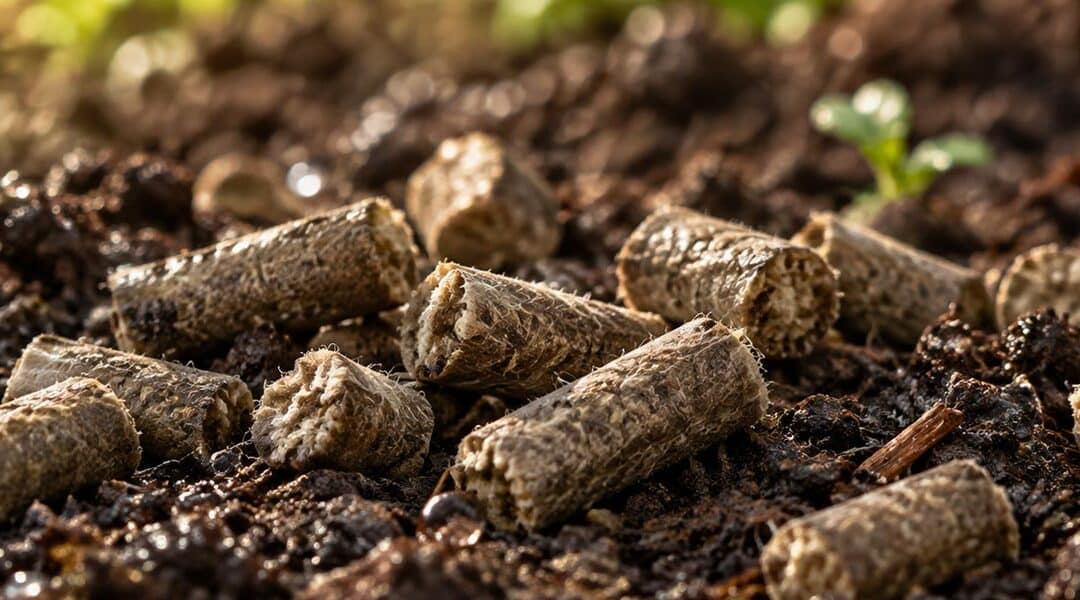
The idea is simple. Wool is rich in nitrogen, and compressing it into pellets makes it easy to handle and spread. One Vermont trial described pellets with an NPK profile of 9-0-2, made from raw wool that would otherwise go to waste.
Why growers are paying attention
Slow-release feeding. Wool breaks down gradually rather than dumping nutrients all at once. A recent study of pellets made from waste wool found significant nitrogen and phosphorus levels with a slow-release profile that improves nutrient retention in soil. That means steadier growth and less washed away by the next downpour.

Wool pellets release nutrients gradually, feeding roots over weeks and months.
Better water retention. This is the benefit gardeners notice first. A 2025 study on lettuce found the pellets improved moisture retention in sandy, clay and peat soils. Some suppliers claim pellets can hold up to 20 times their weight in water, which can mean less watering. That claim varies by product, but the direction is encouraging, especially in dry summers.

Dry, cracked soil (left) versus moisture-holding soil enriched with wool pellets (right).
A circular, renewable input. Wool is renewable and natural, and using it as fertiliser turns a by-product into a resource instead of a disposal problem. For anyone trying to garden or farm more sustainably, that story is hard to beat.
Research is catching up. Trials are underway around the world, from horticulture colleges testing wool pellets as a peat moss extender to farmers using them on pasture. One Manitoba researcher reported that her trials showed wool pellets can support plant growth even without traditional fertilisers. The evidence base is still growing, so results will vary by soil, crop and climate, but the momentum is real.
How to use wool pellets
- Vegetable beds and borders: work pellets into the top few centimetres of soil before planting, or scatter them around established plants and water in.
- Pots and containers: mix into potting compost to help hold moisture and feed over the season.
- Lawns and pasture: spread as a slow-release top dressing.
- Be patient: because they release nutrients gradually, pellets work over weeks and months rather than days. They’re a long-term soil builder, not a quick fix.
Always follow the application rates on the pack for your specific product.
The bottom line
Wool pellets sit at a good intersection: a natural material with a genuine use, a way to support sheep farmers, and a gentler way to feed the soil. It’s no wonder the trend is picking up.
At Woolpell, that’s exactly what we’re about. Ready to try them in your own garden?
Curious whether wool pellets suit your soil and crop? Get in touch – we’ll talk you through dosing for your situation.