There’s a particular kind of conversation happening in farm supply stores and garden centres this year, and it usually starts the same way: what did you pay for fertilizer this season?
2026 has been a rough year for synthetic inputs. Urea prices swung violently in the spring, climbing past $850 per metric tonne in April before falling back toward $450 by June. Volatility like that is arguably harder to plan around than a high price, because a grower budgeting in January has no idea what they’ll actually pay in April. A survey of cotton and row-crop producers this summer found that the majority of Southern growers simply couldn’t afford every input they needed. Produce growers have reported fertilizer costs doubling in some cases once transport and fuel are factored in.
When the cheap option stops being cheap, people start doing math they never bothered with before. And that math is what’s driving the organic fertilizer conversation in 2026 – not sentiment, not marketing, but cost per season.

The real question isn’t price per bag
A synthetic fertilizer is priced per unit of nutrient. An organic one has to be judged per season of feeding.
Fast-release synthetics deliver a spike of available nitrogen, much of which is gone within weeks through leaching, volatilisation, or a single heavy rain. That’s why the schedule usually involves multiple passes. Each pass costs product, fuel, labour, and time.
Slow-release organic inputs work on completely different terms. They break down through soil biology, which means nutrients become available roughly when plants are growing and demanding them, and stay in the root zone rather than heading for the water table. Fewer applications, less waste, and – critically in a volatile market – a cost you can lock in once.
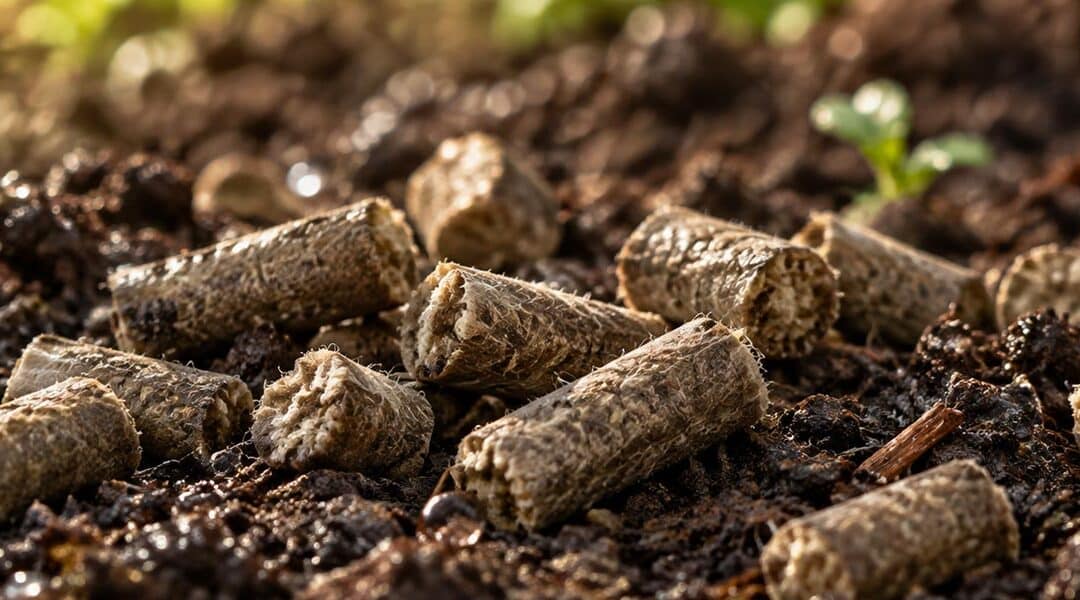
Wool is one of the more interesting materials in this category. Independent sources typically report sheep wool testing around 9-0-2 for NPK, making it a genuinely nitrogen-dense natural material, and its keratin structure means it breaks down over months rather than days. WoolPell is produced from 100% selected sheep wool with no additives, and is formulated for a single annual application with an effect lasting up to ten months.
PFAS made “what’s in it” a mainstream question
The second force reshaping this market is trust.
Throughout 2026, PFAS contamination in sewage-sludge biosolids has moved from a niche environmental concern to active legislation. Maine has banned spreading sludge as fertilizer. Pennsylvania regulators have proposed hard limits on PFOA and PFOS in land-applied biosolids. Maryland passed restrictions this year. Organic farming associations across the Northeast are backing further bans.
The practical effect is that buyers now ask a question they never used to ask: what is this actually made from, and where did it come from?
This is where single-ingredient inputs have an obvious advantage. Wool comes from sheep. There’s no sludge stream, no industrial by-product blend, no mystery. For growers working toward certified organic production, third-party verification matters too – WoolPell is OMRI Listed®, which means it’s been reviewed as an input allowed in certified organic growing.

Drought turned soil moisture into a headline
Third: water. This summer brought heat waves, hosepipe bans, and irrigation restrictions across multiple regions, and gardeners have spent it watching soil bake into a crust that repels the water they’re trying to add.
The response has been a surge of interest in soil amendments that hold moisture rather than just feed plants. Organic matter improves soil structure, and better structure means water infiltrates instead of running off, and stays available instead of evaporating. Wool is unusual here because the fibre itself absorbs and slowly releases moisture – WoolPell’s water retention capacity is one reason we cite reduced water usage of up to a third in application.
There’s a compounding benefit: soil that holds water also holds nutrients, holds warmth going into cold nights, and resists erosion. You’re not buying one function.
Wool’s mainstream moment
Gardening media caught up this July, with major outlets running explainers on why wool is turning up in home gardens at all. Social feeds tell the same story – creators mulching tomatoes with raw fleece, homesteaders pelletising surplus wool, biochar-wool hybrids appearing on shelves.
Part of this is a circular-economy story. Wool below apparel grade has had a weak market for years, and in some regions it’s been burned or buried as waste. Turning it into a soil input takes a material with no home and gives it one, which is exactly the kind of loop the regenerative movement is built on.
What to do with this before autumn
If you’re planning autumn soil preparation, the timing is useful. Applying a slow-release organic input now gives soil biology weeks of warm weather to begin breaking it down, so nutrients are in position for spring rather than sitting on top of cold ground.
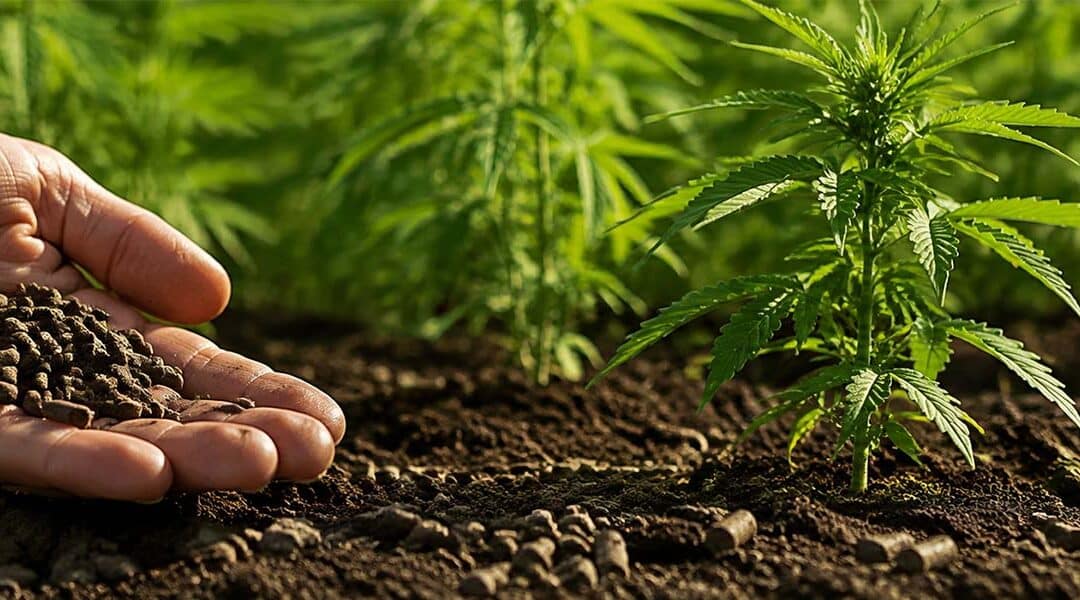
For WoolPell specifically, application is straightforward: work it into planting soil, or place it under and around the root ball at the recommended dose and cover with 5-10 cm of soil. Vegetable beds generally take 100-150 g/m² depending on crop, root vegetables less. One pass, then leave it alone.
The bigger point is that 2026 has made a case that no marketing campaign could. When the conventional option becomes unpredictable, unregulated, and expensive all at once, growers look again at inputs they’d previously dismissed as niche. Wool is having exactly that moment.
Curious whether wool pellets suit your soil and crop? Get in touch – we’ll talk you through dosing for your situation.