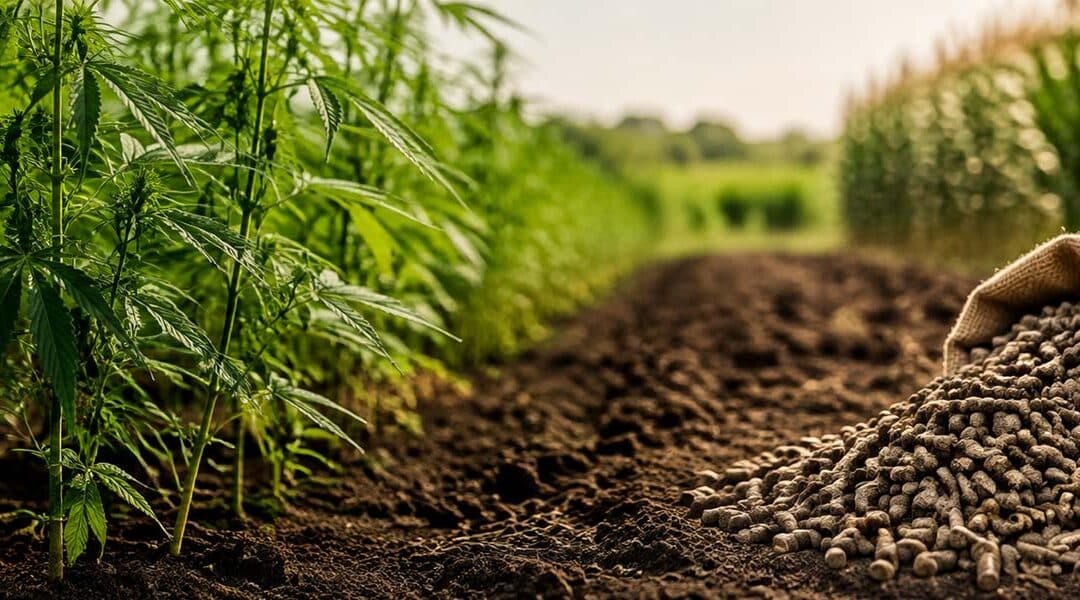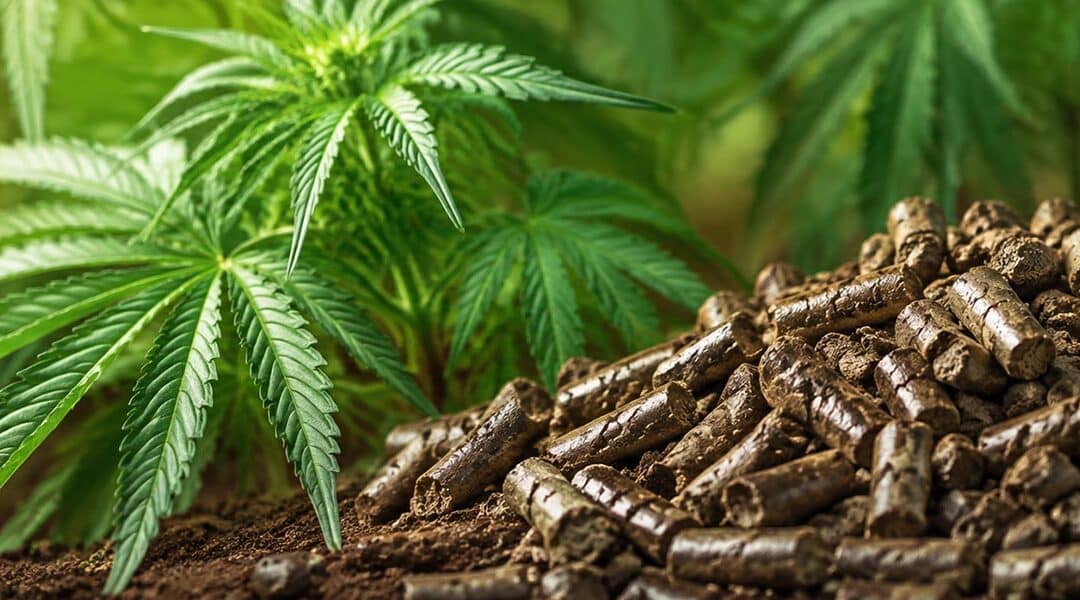
Hemp operations – fiber, grain, and CBD biomass alike – are re-evaluating what goes into their soil. Here’s what’s driving the switch to wool pellet fertilizer this season.
1. One application lasts the whole season
Woolpell releases nutrients for up to 10 months from a single application, so there’s no repeat feeding schedule to manage mid-season.
2. It cuts water use by up to a third
Wool absorbs many times its own weight in water and releases it back gradually as soil dries — a real buffer during dry stretches, not just a marketing line.
3. It builds soil instead of depleting it
With 71–83% organic matter and 42–48.27% humic and fulvic acid, Woolpell improves soil structure and fertility as it breaks down, rather than leaving the soil unchanged once the nutrients are used up.
4. It naturally deters pests and protects roots — no extra spray required
Its texture helps deter snails and leeches, its scent keeps field mice away from the root zone, and as it breaks down it helps insulate roots against cold and reduce erosion.
5. It’s OMRI Listed
Approved for use in organic production, which matters for hemp operations working toward organic certification or supplying clean-label buyers — and for use over time, it helps eliminate residues left behind by previous synthetic fertilizer programs within three years.

Thinking about running Woolpell on your next planting? Get in touch and we’ll help you work out a starting dose for your beds or containers. You can also read more about what the science says about wool pellets as organic fertilizer and how wool pellets fit a cannabis feeding program.